
Introduction
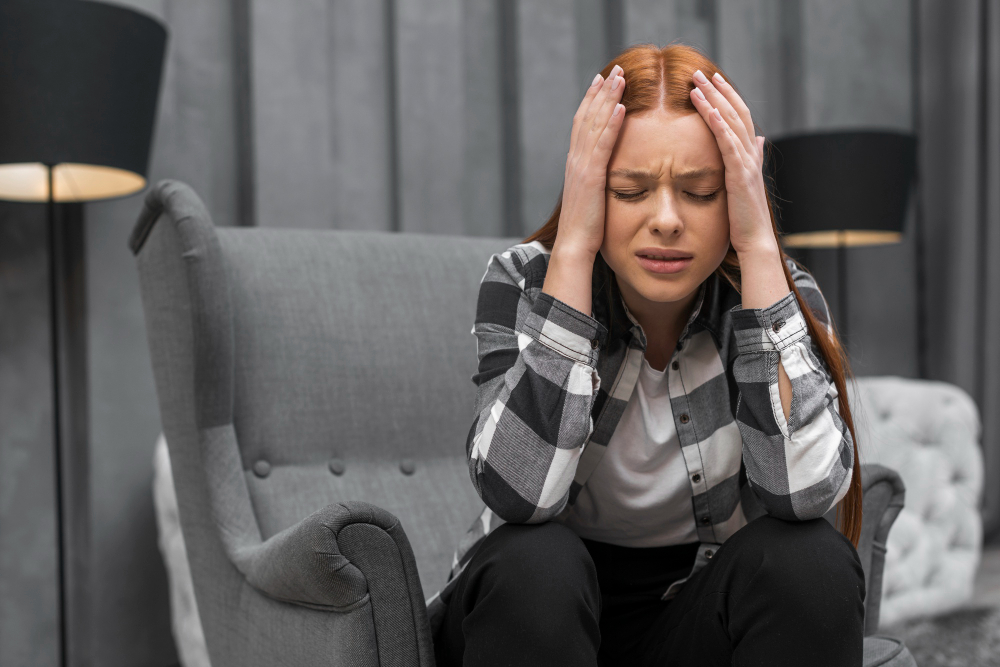
Anxiety is more than just feeling worried. It can affect your body in many ways. In fact, how anxiety impacts physical health and immunity is a growing concern for many people. When you feel anxious, your body reacts. Over time, these reactions can weaken your immune system. As a result, you may get sick more often. Understanding the link between anxiety and your health can help you take steps to feel better.
What Is Anxiety?
Anxiety is a feeling of fear or worry. Sometimes, it happens before a big event. Other times, it can last for days or weeks. Many people in the United States and around the world experience anxiety. According to the World Health Organization (WHO), anxiety disorders are among the most common mental health issues. While some anxiety is normal, too much can harm your health.
Physical Effects of Anxiety
When you feel anxious, your body goes into “fight or flight” mode. This means your body gets ready to face danger, even if there is none. Because of this, you may notice:
Over time, these symptoms can wear your body down. For example, you may feel tired or get sick more often. In addition, anxiety can make it hard to enjoy daily life.
How Anxiety Weakens the Immune System
Chronic anxiety can weaken your immune system. When you are anxious, your body releases stress hormones like cortisol. At first, these hormones help you cope. However, if they stay high for too long, they can lower your body’s defenses. As a result, you may catch colds or infections more easily. Studies from the Centers for Disease Control and Prevention (CDC) show that long-term stress and anxiety can slow your body’s ability to fight off germs. Therefore, managing anxiety is important for your immune health.
Common Health Problems Linked to Anxiety
Because anxiety affects your body, it can lead to several health problems. Some common issues include:
For example, people with high anxiety may notice they get sick more often. In addition, they may have more stomach troubles or headaches. These problems can make daily life harder.
Tips to Manage Anxiety for Better Health
Managing anxiety can help protect your physical health and boost your immune system. Here are some simple, evidence-based tips:
Even small changes can make a big difference. Over time, these habits can help lower anxiety and support your immune system.
Prevention and When to Seek Help
It is normal to feel anxious sometimes. However, if anxiety lasts for weeks or gets in the way of daily life, it may be time to seek help. You should talk to a healthcare professional if you:
Early support can help prevent health problems linked to anxiety. In addition, professionals can offer treatments that work, such as counseling or medication.
Conclusion
In summary, anxiety can impact both your physical health and immunity. While some anxiety is normal, too much can weaken your body’s defenses. By learning how anxiety affects your health, you can take steps to manage it. Consult a healthcare professional for personalized advice on managing anxiety and protecting your health.
