
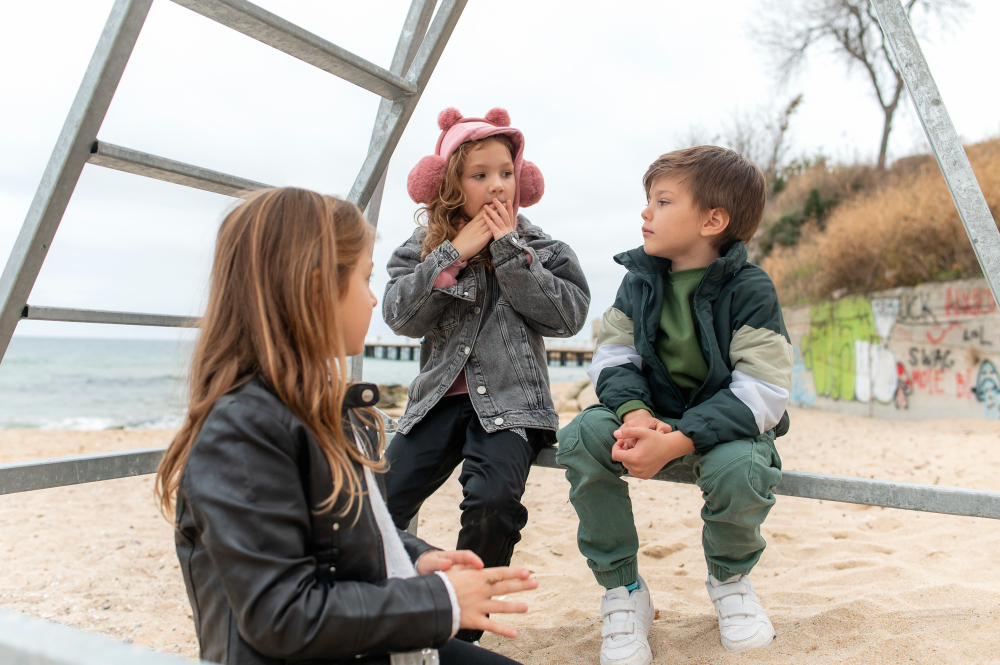
What is Holiday Overstimulation in Children?
Holidays are exciting for families. However, holiday overstimulation in children is common. This happens when too many sights, sounds, or activities overwhelm a child. As a result, children may feel stressed or act out. While holidays bring joy, they can also bring too much excitement for kids to handle. According to experts, young children are more sensitive to changes in routine and busy environments. So, it is important to understand what holiday overstimulation means for your child.
Common Symptoms and Signs
Children show holiday overstimulation in many ways. Some signs are easy to spot, while others are subtle. For example, you may notice your child:
Sometimes, children may withdraw or become very quiet. If you notice these signs, your child may be overstimulated by holiday events.
Causes and Triggers During Holidays
Many things can trigger holiday overstimulation in kids. For instance, crowded places, loud music, and bright lights are common causes. In addition, changes in daily routines, such as late bedtimes or skipped naps, can make things worse. Children may also feel stress from meeting new people or visiting unfamiliar places. Even fun activities, like holiday parties or gift-giving, can be overwhelming. If you live in a busy city, holiday events in your area may add to the excitement and stress.
Practical Strategies to Keep Children Calm
Fortunately, there are many ways to help your child stay calm during the holidays. Try these simple strategies:
Additionally, deep breathing or simple relaxation exercises can help. For example, ask your child to take slow, deep breaths with you. This can lower stress and help them feel safe.
Prevention Tips for Parents and Caregivers
Planning ahead can prevent holiday overstimulation in kids. Here are some helpful tips:
By following these steps, you can help your child enjoy the holidays without feeling overwhelmed.
When to Seek Professional Help
Most children recover quickly from holiday overstimulation. However, if your child’s symptoms last for several days or get worse, it may be time to seek help. For example, if your child stops eating, has trouble sleeping for many nights, or seems very anxious, talk to your doctor. The Centers for Disease Control and Prevention (CDC) suggests reaching out to a child psychologist if you are worried about your child’s behavior or emotions. Early support can make a big difference.
Holidays should be fun for everyone. If you need more help managing holiday overstimulation in kids, consult a child psychologist for personalized advice.
