
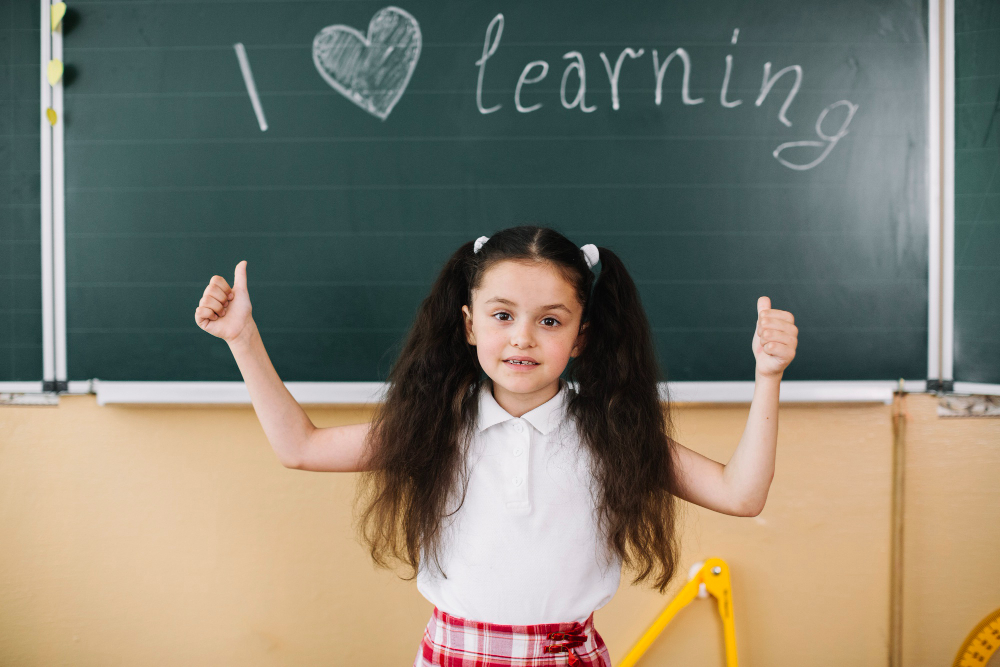
The Importance of Early Preparation for Classroom Success
Every parent wants their child to do well in school. Preparing kids for classroom success starts long before the first day. Early preparation helps children feel confident and ready to learn. In fact, studies show that children who are prepared for school adjust better and enjoy learning more. When you focus on school readiness tips early, you set your child up for a smoother journey. Not only does this help with academics, but it also supports social and emotional growth. Therefore, starting early gives your child the best chance to succeed.
Recognizing Readiness: Signs Your Child Is Ready to Learn
Before sending your child to school, it helps to know if they are ready. School readiness means more than knowing letters and numbers. It also includes social, emotional, and physical skills. For example, children who are ready to learn often:
However, every child grows at their own pace. If you notice most of these signs, your child is likely ready for the classroom.
Effective Strategies to Prepare Kids for School
There are many ways to help your child get ready for school. First, create a daily routine. Children feel safe when they know what to expect. Next, read together every day. Reading builds language and listening skills. Also, encourage your child to ask questions. This helps them become curious learners. In addition, practice basic skills like counting or drawing shapes. You can also arrange playdates. Playing with others teaches sharing and teamwork. Finally, talk about school in a positive way. This helps your child feel excited, not scared.
Psychological Factors Affecting Classroom Success
Children need more than academic skills to do well in school. Psychological preparation for classroom success is just as important. For instance, children who can manage their feelings cope better with new situations. Self-control helps them follow rules and stay focused. Confidence allows them to try new things, even if they make mistakes. According to the CDC, strong social and emotional skills support learning and reduce stress. Therefore, helping your child build these skills is key for classroom success.
Tips for Parents: Supporting Learning at Home
Parents play a big role in helping children succeed in school. Here are some simple tips:
With these steps, you can support your child’s growth and confidence at home.
Preventing Common Challenges in School Readiness
Some children face challenges when starting school. For example, they may feel shy or have trouble sitting still. To prevent these issues, start routines early. Practice skills like waiting your turn or following directions. If your child struggles with change, visit the school together before classes begin. This helps them feel more comfortable. Also, talk openly about any worries your child has. When you address concerns early, you make the transition smoother.
When to Seek Professional Guidance
Sometimes, children need extra help to get ready for school. If your child has trouble with speech, behavior, or social skills, it may help to talk to a professional. For instance, a child psychologist or educational specialist can offer support and advice. According to the World Health Organization, early help can make a big difference. Therefore, do not hesitate to seek guidance if you have concerns.
Every child is unique. For personalized advice on preparing your child for classroom success, consult a child psychologist or educational specialist.
