
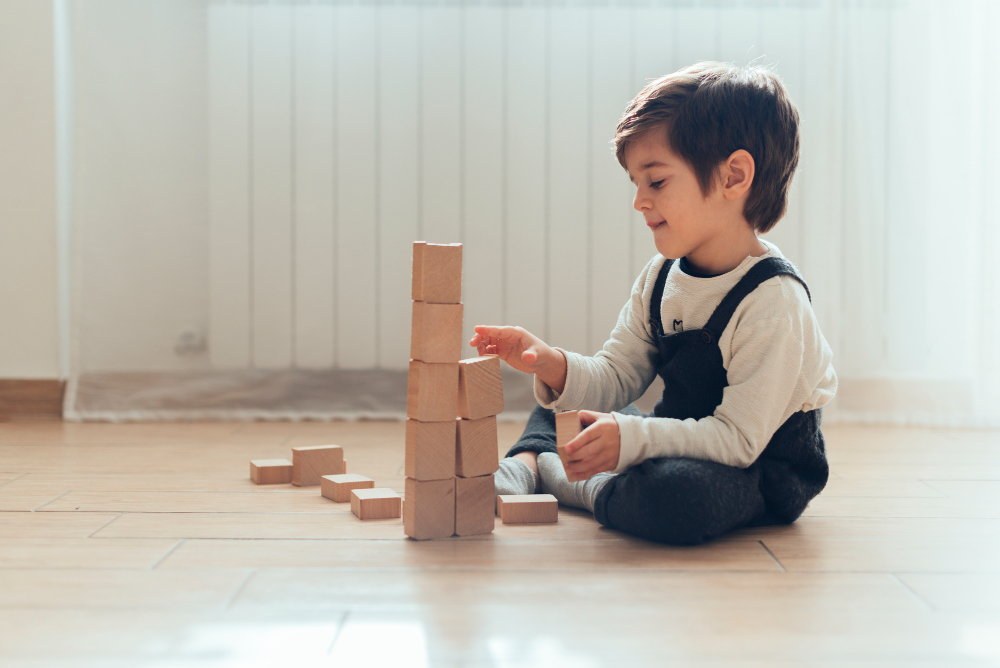
What Is Child Development and Why Is It Important?
Child development is the process by which children grow and learn new skills. It covers physical, mental, emotional, and social changes. Early childhood development shapes a child’s future health, learning, and well-being. Because each child is unique, growth can look different for everyone. However, knowing the main child development stages helps parents and caregivers support healthy growth. According to the CDC and WHO, tracking child development milestones is key to spotting any concerns early.
Major Child Development Stages
Children go through several stages as they grow. Each stage has its own milestones and challenges. Understanding these stages helps you support your child’s needs.
Typical Child Development Milestones by Stage
Infancy (0-12 months)
Toddlerhood (1-3 years)
Preschool (3-5 years)
School Age (6-12 years)
Signs of Healthy vs. Delayed Child Development
Most children reach milestones around the same age, but some may need more time. Still, it is important to watch for signs of healthy or delayed development. For example, healthy development includes steady growth, learning new skills, and showing interest in people. On the other hand, delayed development may show as:
If you notice these signs, talk to your child’s doctor. Early help can make a big difference.
Evidence-Based Strategies for Supporting Child Development at Home
Supporting child growth at home is important. Many simple actions help your child learn and thrive. For instance, you can:
Additionally, spending quality time together builds trust and confidence. Even small daily actions can have a big impact on early childhood development.
Tips for Parents and Caregivers
Parents and caregivers play a key role in child development. Here are some helpful tips:
Remember, every child grows at their own pace. However, being involved helps your child feel safe and loved.
When to Seek Professional Help
Sometimes, children need extra support. If your child misses several milestones or you have concerns, it is best to seek help early. For example, talk to a pediatrician or child psychologist if you notice:
Early intervention can improve outcomes and support healthy child development.
Prevention and Early Intervention
Prevention and early action are key to supporting child growth. Regular check-ups help track your child’s progress. In addition, vaccines and good nutrition prevent many health problems. If delays are found, early therapy or support can help your child catch up. Because every child is different, early help gives them the best chance to succeed.
Conclusion
Child development is a journey with many stages and milestones. By knowing what to expect and how to help, you can support your child’s growth. If you have any concerns, consult a pediatrician or child psychologist for personalized guidance on your child’s development.
